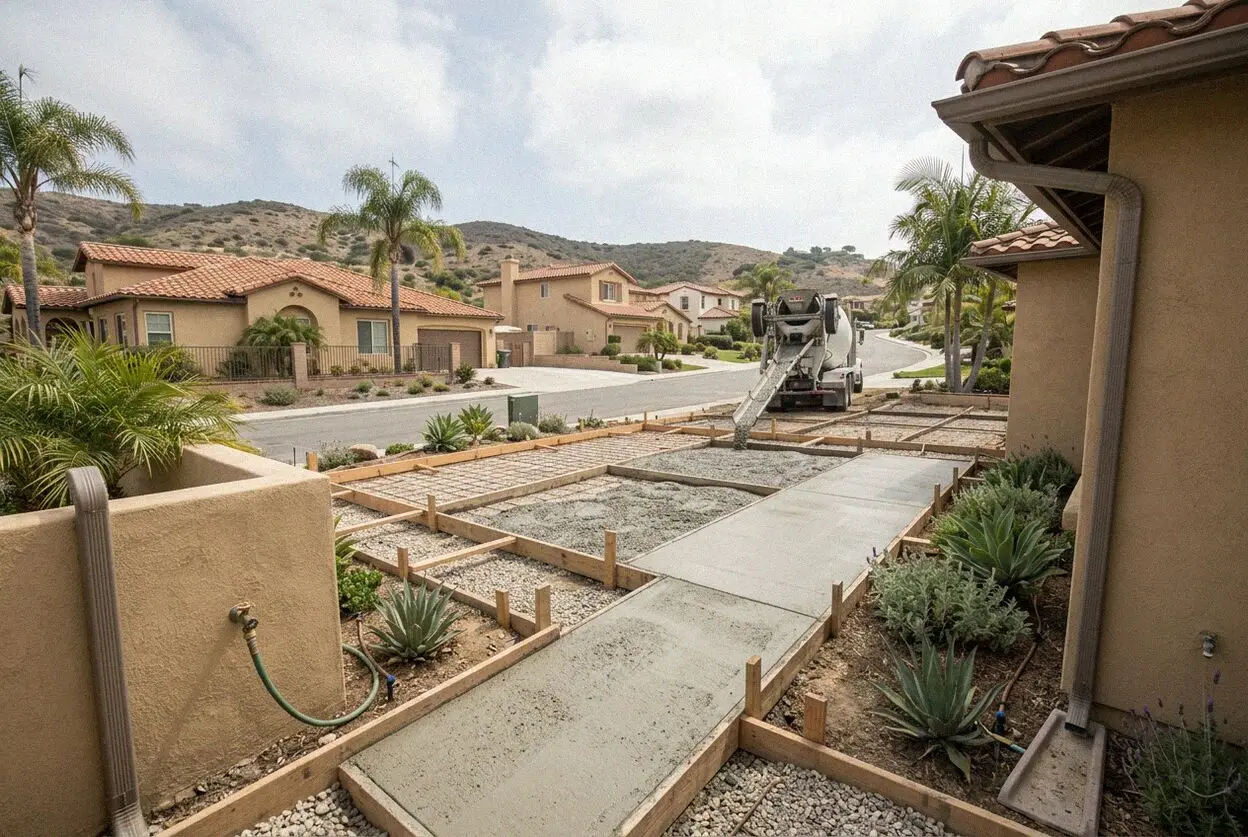
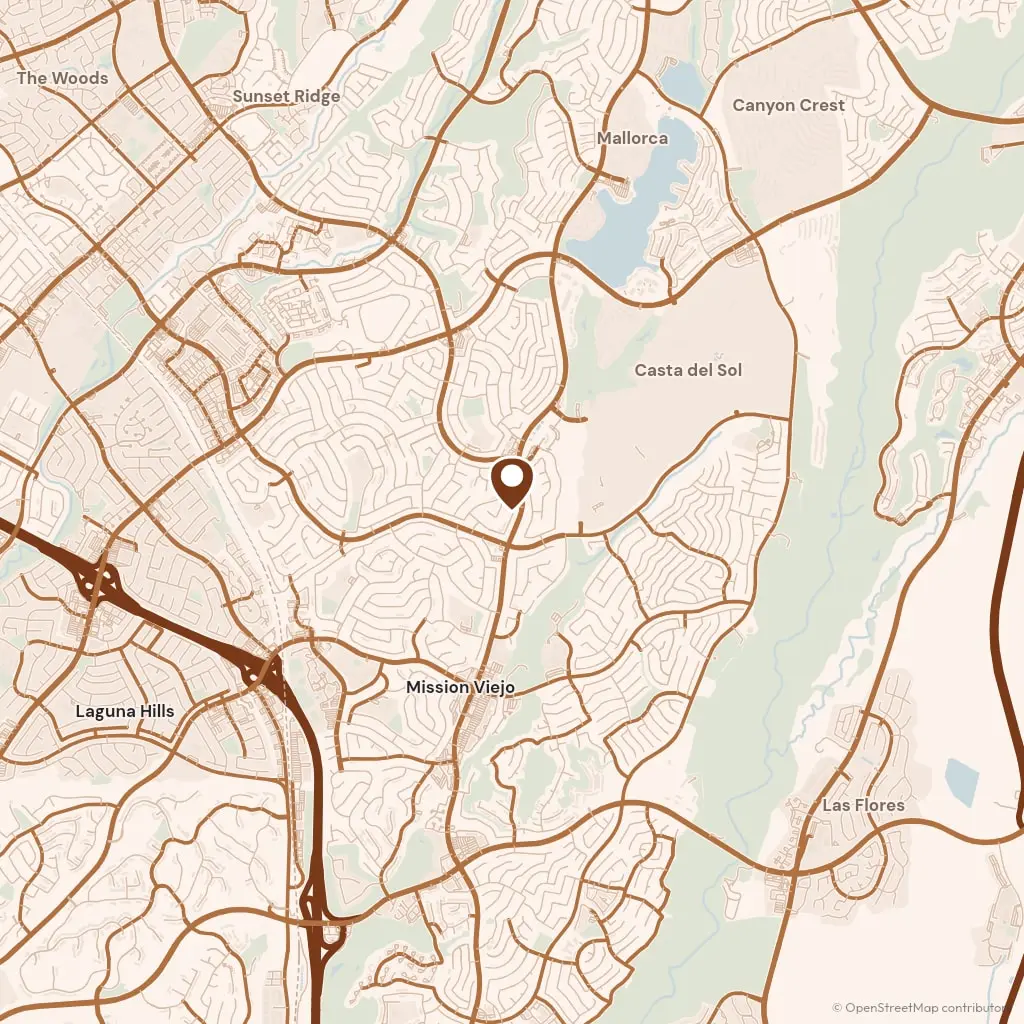
We come down the 5 from Mission Viejo, about 15 miles, and it runs the length of San Clemente to the county line at San Onofre, so every neighborhood is an exit. Avenida Pico for Talega and the north end, Avenida Palizada for the old town and the Pier Bowl, Cristianitos Road for the south. Permits come from the City of San Clemente's Building Division, and in the coastal zone west of the freeway a job may also need a coastal development permit, checked before it is priced.
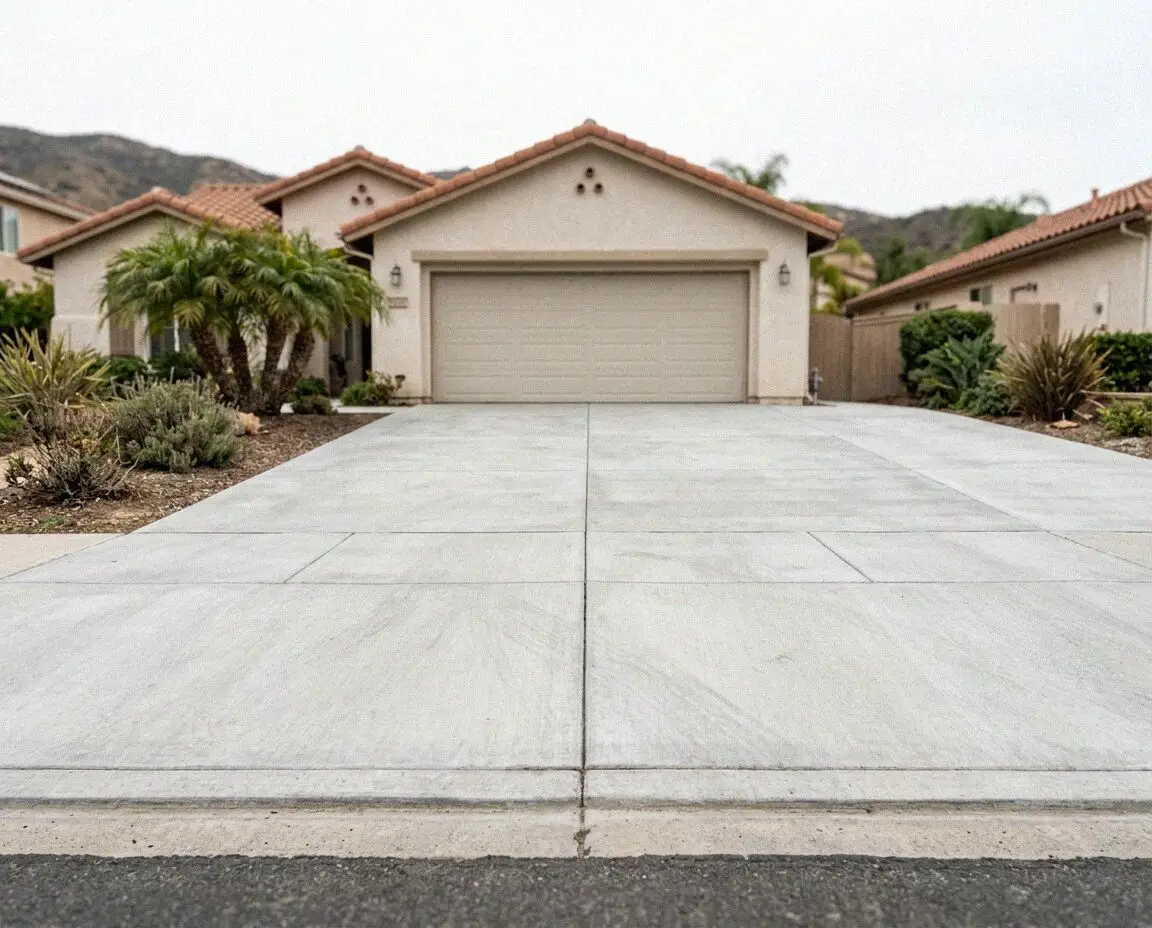
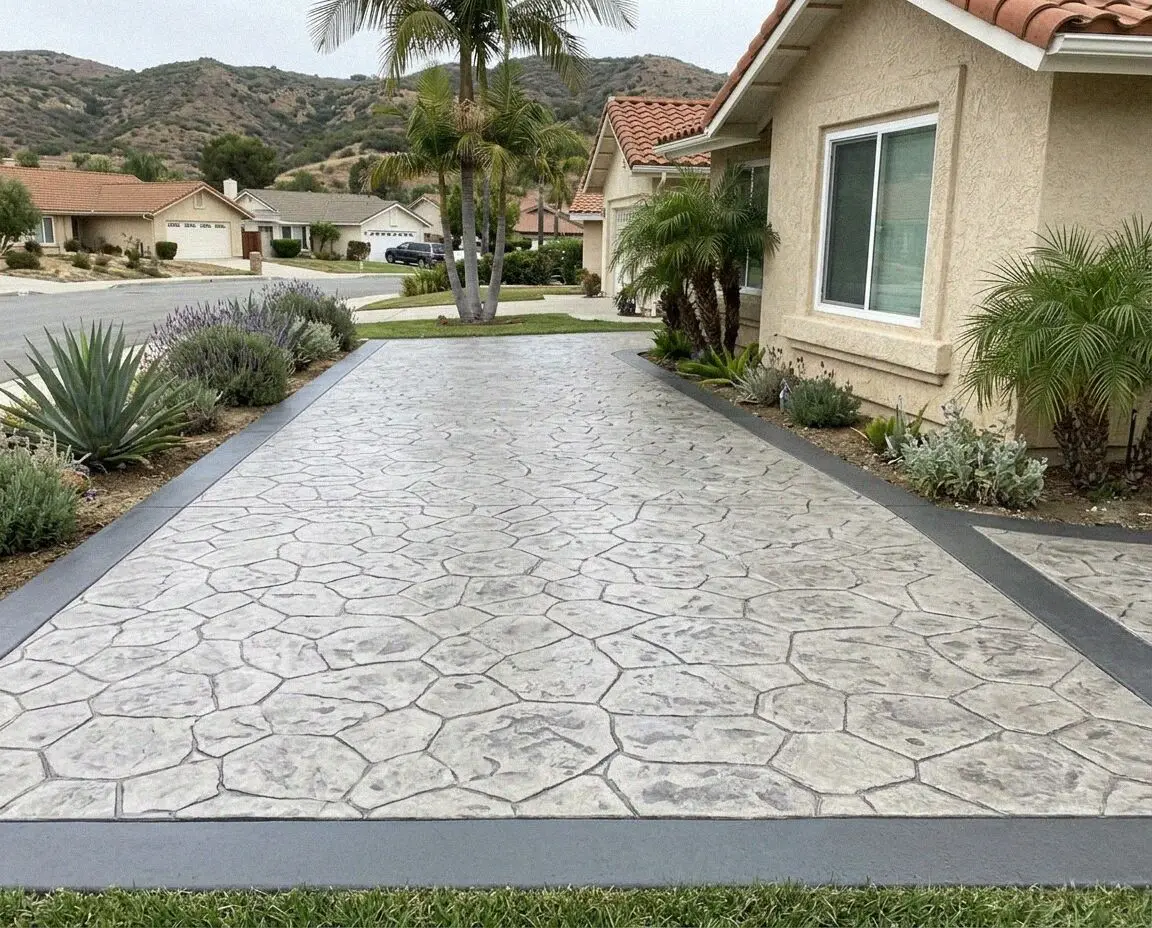
The town has three ages. The old streets that climb from El Camino Real and Avenida Del Mar are the 1920s to 1950s, white stucco and red tile on small steep lots, where the drive is narrow and the finish is reviewed against the Spanish style. Rancho San Clemente, Forster Ranch and the tracts off Camino de los Mares are the 1970s to 1990s, on graded pads with a slope at the back. Talega, east of the freeway, is the 2000s, on cut and fill above the canyons, with an association review.
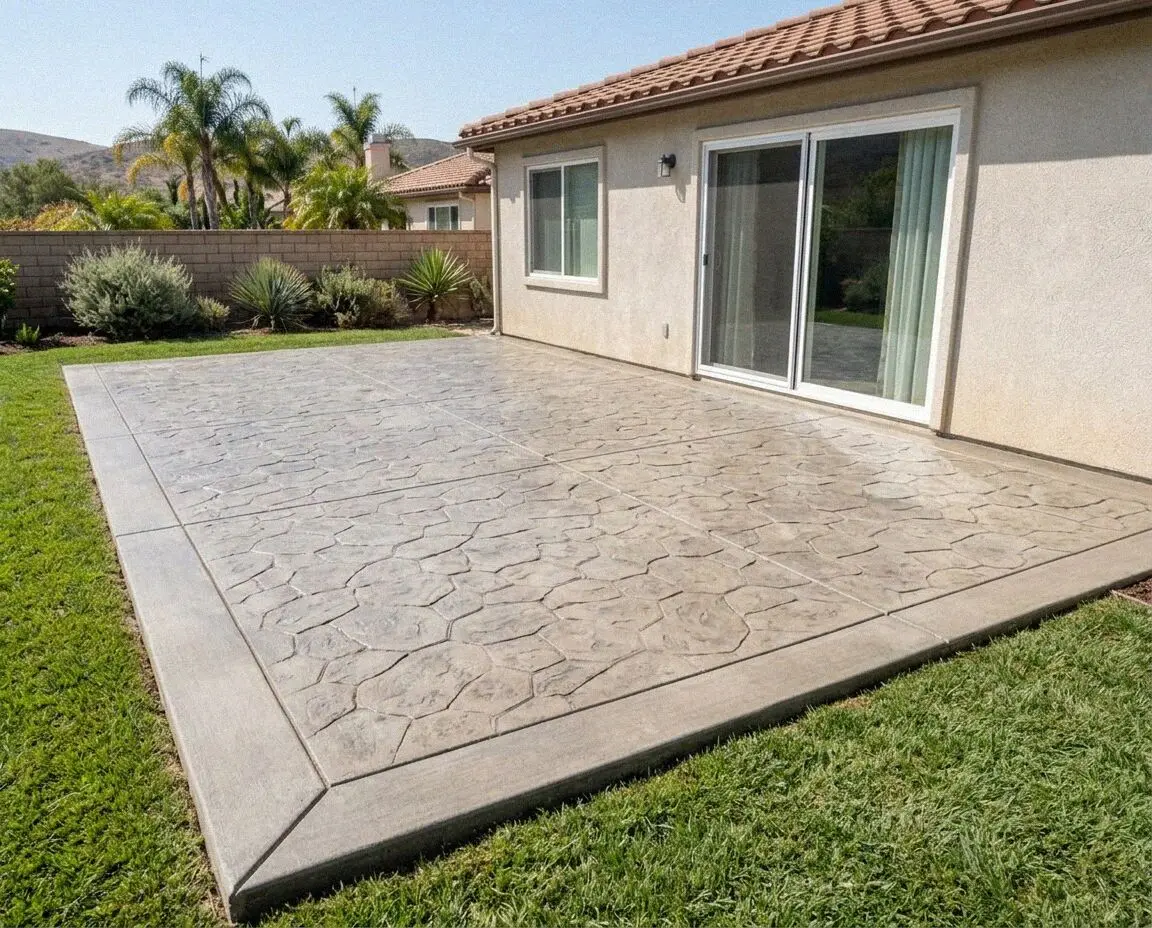
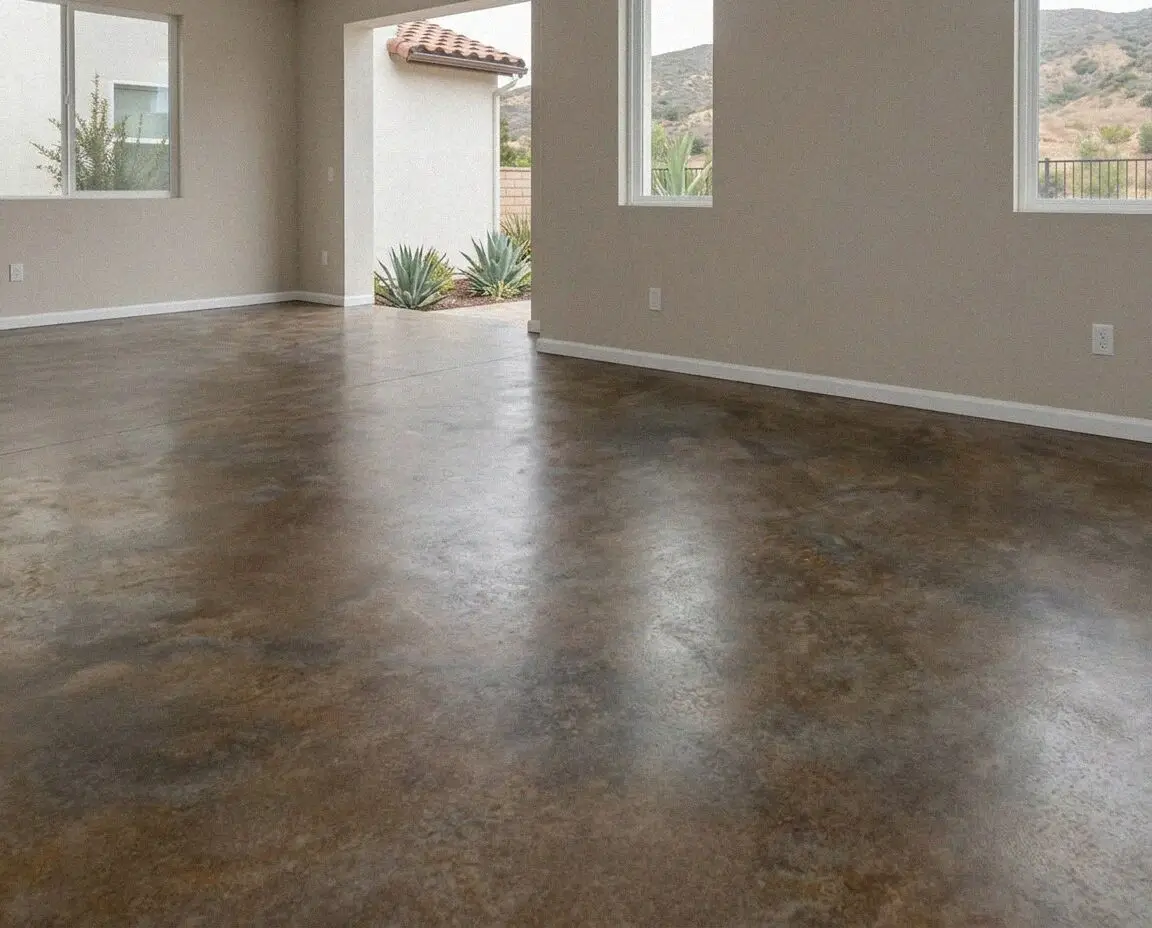
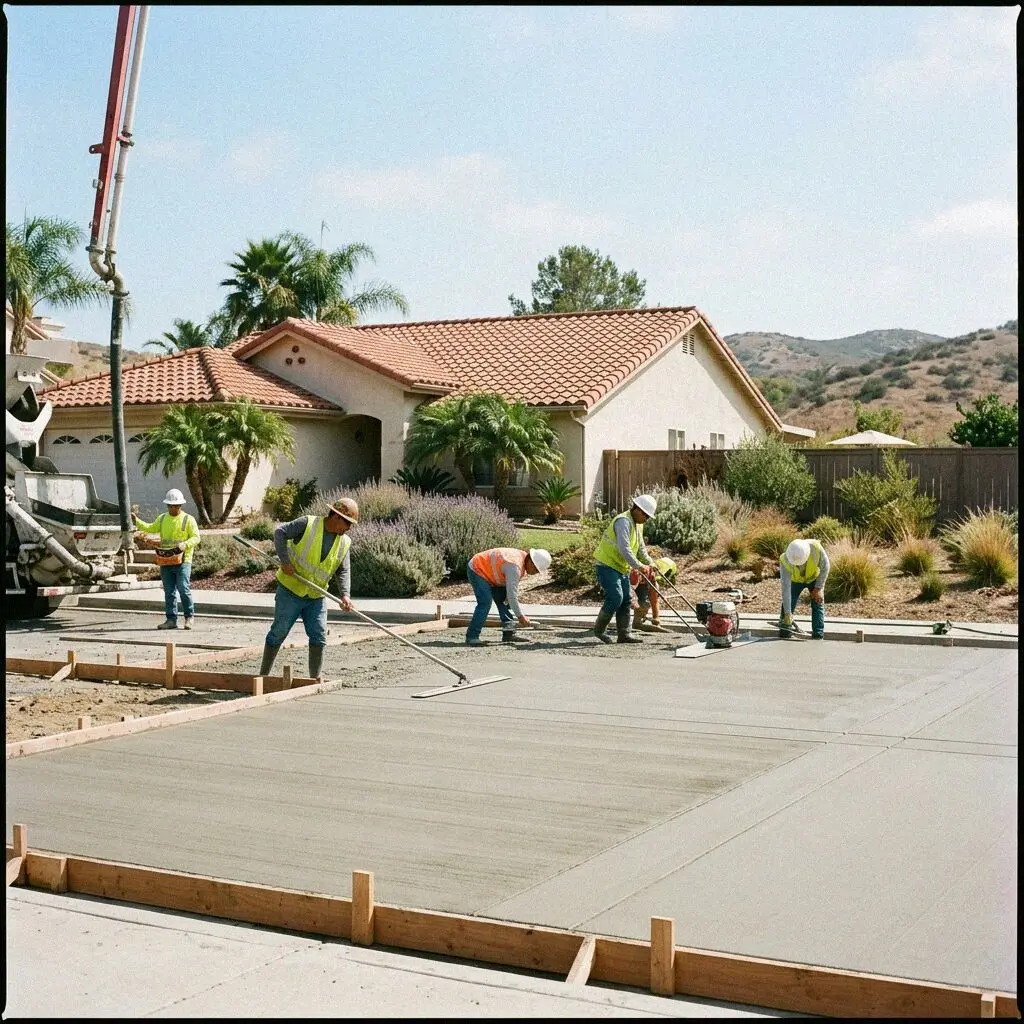
The beach sets the weather. The marine layer holds the morning cool most of the year and a slab poured before 9 here finishes evenly into the afternoon, which is the opposite of an inland September. The exception is a Santa Ana, when the wind comes down the canyons dry and the surface skins before it can be troweled, so we pour at first light and keep the slab wet for 7 days. Salt air is the other constant, and every finished slab within sight of the water is sealed.